
A new generation of chefs are creating culinary mashups that challenge traditional notions of authenticity – and transport diners from Austin, Texas to Afghanistan or from Mexico City to Malaysia through the magic of flavour
Fusion food has attracted a lot of flak over the years. It’s been condemned as culinary vandalism, as cultural appropriation, as a crime against authenticity that begins with muddled thinking and ends in muddy flavours. Much of the ire has been directed at entrepreneurial types who cobble a ‘concept’ together by shoehorning random elements in an eye-catching and gimmicky fashion, driven more by profit or convenience than by taste.
But a spate of recent openings reveals a new cohort of chefs for whom fusion is entirely natural, something that emerges from their own home cooking and personal experience. It is an approach derives from global migration and the diversity of modern cities, where intersecting traditions – cooking over flames, perhaps, or the pursuit of fiery flavours – have met and sparked new combinations.
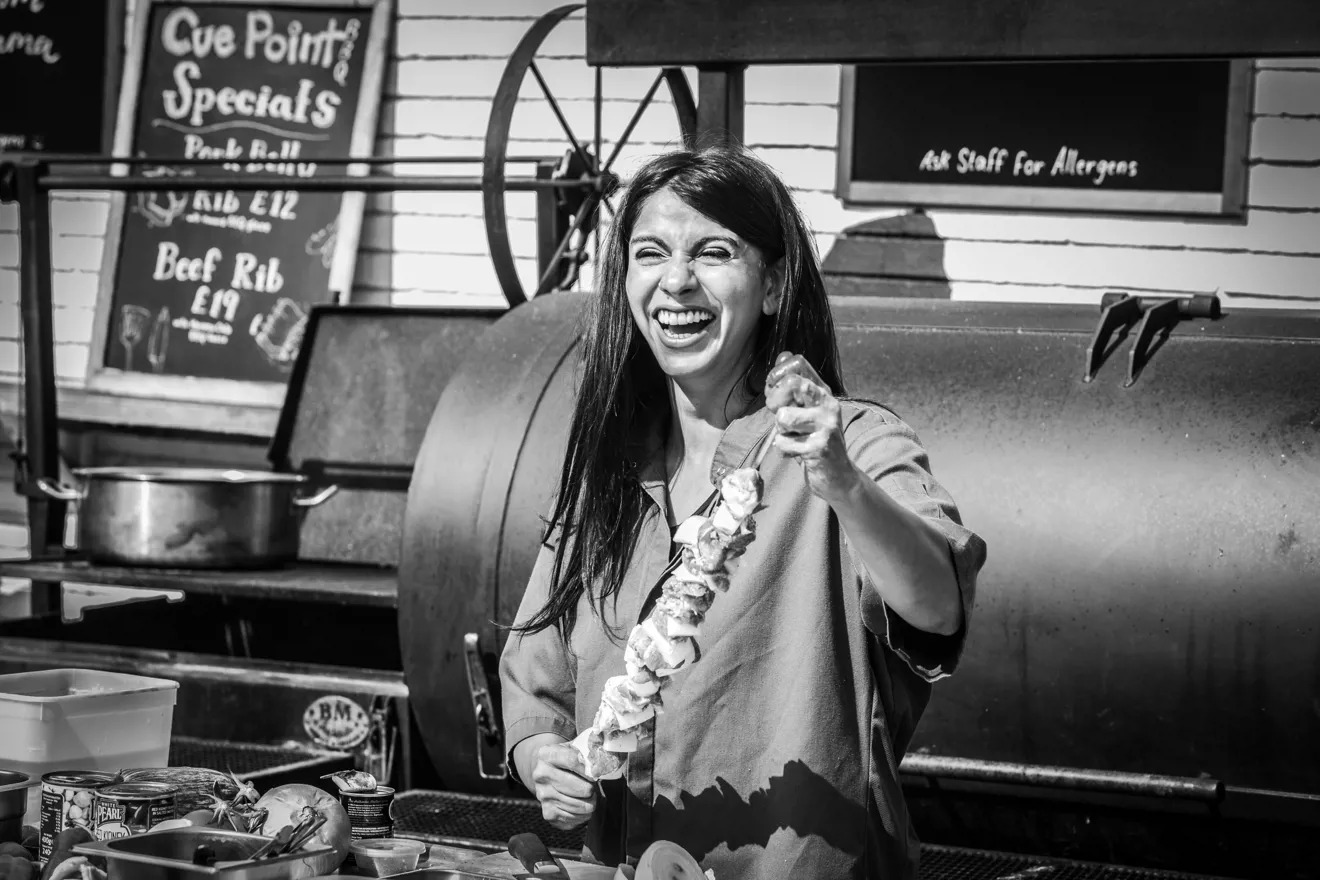
One such is Cue Point, an Afghan-Texan BBQ that opened in an old Notting Hill pub in April and quickly earned a rave review from Jay Rayner in the Financial Times. He was equally impressed by the food and by the stroppy attitude of founder Mursal Saiq (pictured above): she was fed up with “culture porn and exclusivity”, with “exotic” immigrants being pushed towards bogus versions of authenticity. Having arrived in the UK as an eight-year-old refugee from Afghanistan, Mursal is happy to serve beef briskets and lamb shanks slow-cooked in a Texan-style smoker called Betty, alongside rice and vegetable dishes from recipes her mother brought from Kabul – and to follow them with very British sticky toffee pudding and crumble.
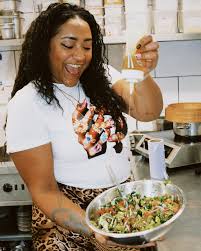
Naz Ramadan, a veteran of the south London fusion food scene, is equally forthright about expressing her dual culinary heritage and picking up inspiration wherever she finds it. Brought up in Peckham in a part-Jamaican, part-Turkish family, Naz opened a Caribbean and soul food outfit called Kitchen 54 with her mother in 2014; it was the first place in London to offer chicken and waffles. She followed up with Bando Belly, which channelled flavours from the American Deep South, the Caribbean and southeast Asia.
These days she runs the arrestingly named Jurkish, which has recently taken up residence at the Old Truman Brewery in Brick Lane after launching at Brixton’s Effra Social. Here she combines the jerk-spiced cooking of her Jamaican ancestry with the cuisine of her Turkish forebears – uniting the two sides of her family.
“I’ve always cooked fusion food because of my upbringing,” she says. “This is normal for so many of us in London and throughout the UK – there’s so much diversity in the population, with a lot of people who grow up with two cultures at home.”
At Jurkish she offers Turkish dumplings called manti filled with Jamaican-style curried goat and served with yoghurt on the side. “This is not traditional in any way,” she says. “It’s something I’ve created. But nobody can tell me it’s not authentic: it’s absolutely authentic to my experience. There are really no rules for a chef – this is my creative space.”
Naz adds that developing successful fusion dishes is not simply a case of swapping ingredients between culinary cultures, because of the way different ingredients respond to cooking. Creating a Middle Eastern-inspired hummus using Caribbean plantain, to take just one example, presented a real challenge: “It took me a while to find a way of keeping the hummus stable when it cooled down.”
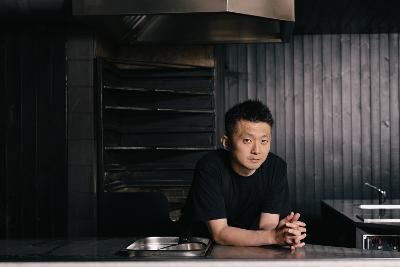
Hong Kong-born Man Hon Luk launched himself on a career as a chef after 20 years running the Vinyl Pimp record shop in east London. This month, after two years of successful residencies, he opens his first permanent restaurant, Hon’s BBQ in Hackney Wick, where he has taken over the former site of Silo, above Crate brewery and pizzeria.
Given his background, Hon finds it completely natural to follow his culinary hunches wherever they take him. “Growing up in Hong Kong, I was exposed to so many cuisines – there’s not really a single cuisine, because everything is available. Most people there are just getting by financially, but they eat very well. Even the cheap eats are very high quality – there’s a fantastic range of street food.”
He trained under legendary pitmaster John Bates at InterStellar BBQ in Austin, Texas learning the secrets of slow cooking meat for up to 16 hours to create what he calls “the triangle of happiness: optimal flavour, smokiness and tenderness. With this solid foundation, you can’t go too far wrong.”
This allows him to use relatively cheaper cuts such as pork belly or ox cheek and layer them with Chinese and other Asian flavours that he has experimented with through trial and error. The results are crowd-pleasing – Hon’s Asian-spiced ox cheeks, Sichuan beef short ribs and Lap Chong smoked mac and cheese have already generated a fan club who contributed to the crowdfunding campaign for his restaurant launch.
Hon makes the important point that this approach may not be suitable for more refined dining styles such as Japanese omakase, where tradition is all important. “With lower-cost cuisines like barbecue, ramen or burgers, you really have a lot more room to play around. In Japan, I’ve even eaten cheese and tomato ramen!”
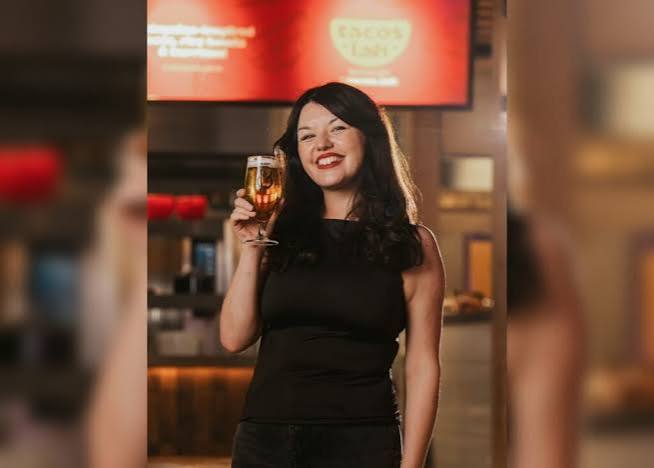
In Scotland, high-profile Glasgow-born chef Julie Lin (of Saturday Kitchen on TV, Julie’s Kopitiam and GaGa) has just launched Tacos Lah at the Bonnie & Wild food hall in Edinburgh – a reimagining of Mexican street food through the lens of her Malaysian heritage, which she sees as a natural evolution of her culinary approach.
“I’ve grown up with fusion cuisine all my life,” says Julie, who has been known to cook a ‘haggis pepper fry’ for Burns Night. “Food makes me feel connected to a place. Despite Malaysia and Mexico being geographically miles apart, there are so many similarities in the way both countries approach flavour. The deep respect for dried chillies, acidity, smoke and punchy seasonings is incredibly inspiring as a chef.”
The menu at Tacos Lah includes sambal pork tacos with pineapple salsa, slow-cooked lemongrass beef birria served with a richly spiced dipping broth, and a prawn tostada inspired by the nostalgic flavours of prawn toast.
