
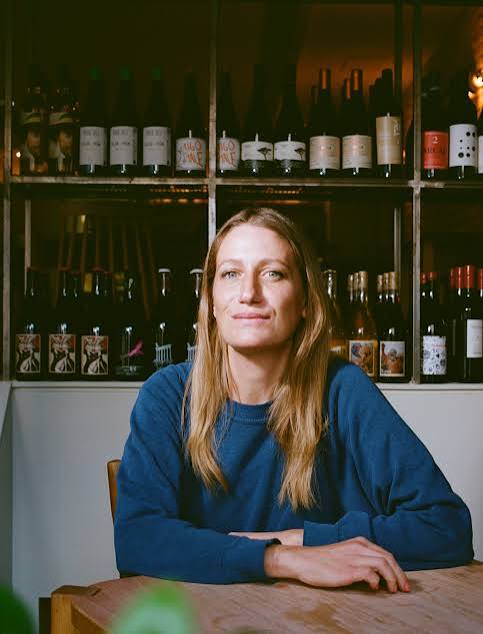
Sohaila is a Lebanese-inspired wine bar and restaurant on Shoreditch High Street that grew out of Fat Macy’s, a social enterprise which trains young people living in temporary accommodation for careers in hospitality. Harden’s caught up with its founder, Nathalie Moukarzel, as the restaurant approaches its fifth anniversary in December.
Hardens: Nathalie, congratulations on five years of Sohaila, which gets a glowing write-up in the new Harden’s 2027 guide for its “impressive food, cool vibes and service”. You’ve also recently published a book*. Tell us where the inspiration came from.
Nathalie: Sohaila is named after my Teta, my Grandmother, who always cooked in incredibly generous quantities just in case neighbours and their guests joined us for the meal. She’s 95 now, and lives in Florida. A lot of the recipes in the book are from her and from my aunt. Neither of them have ever measured ingredients, so I had to work out the proportions that work best.
The book was two years in the making, and in addition to the recipes (many of which have appeared on the menu at Sohaila) there are great stories about a bunch of the trainees who have come successfully through our programme.
We have a fantastic team in the kitchen, led by wonderful head chef Ellie Shaw, who joined us this summer from The Clink – the well-known restaurant inside Brixton prison. In fact none of our chefs are Lebanese, and most have never cooked Lebanese food before. But it’s a very accessible cuisine, one that works well for sharing in convivial meals, so it was very suitable for our project. It also goes well with the brilliant wines we serve, which our GM and sommelier Alexandros Vainas sources from producers in Lebanon as well as across the eastern Mediterranean.
So how did you come to open the restaurant in the first place?
Nathalie: I had been working as a chef for 10 to 15 years, first in Berlin, then in London at Moro and Morito in Exmouth Market. Then I met my business partner, Meg Doherty, and we started talking about setting up a social enterprise that would use hospitality to help people in supported accommodation.
We started out in 2016 with a catering company, working for corporations and private clients. That was successful, but the work could be very bitty – three events one week, one event the next week – which was in some ways not ideal for the trainees we are working with: their lives are already stop-start, and what they need is stability and consistency.
Some of the most important things our trainees learn on our programme are not specific skills, but things most of us just take for granted: rocking up to work every day, building up consistency with that repetition. We want to give people the opportunity to feel they are part of something, so they see work as a place where you belong rather than a drag, something to endure.
So we decided to open a restaurant/wine bar, and started out in Ebury, Pimlico, in 2020. But there wasn’t much footfall at the site, so not much trade. Then during Covid we were offered what had been a vape shop here in Shoreditch High Street, and we jumped at it. The block is scheduled for redevelopment as a hotel in the longer term, and the owners did not want to pay business rates in the meantime, so they offered it to us.
Because of the pandemic restrictions, nobody showed us around – they just gave me the key. I remember walking inside, going through the doors at the back, and discovering the offices upstairs, which they hadn’t told us about! So now we have the foundation’s offices upstairs, as well as training rooms where our various tutors work with trainees on issues around employment, CV writing, financial stability, professional engagement, mental health and so on.
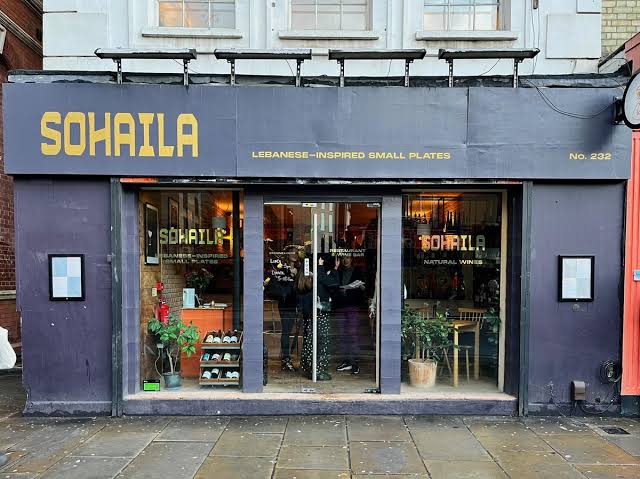
Harden’s: You’re in a high-footfall area that’s interestingly full of extremes – the wealth of the City on one hand, but obvious poverty and homelessness on the other. Sohaila itself is a great, funky little restaurant and you would never know it was a social enterprise without looking at its website.
Yes, that’s important for us. To give our trainees a proper introduction to the industry, they need to work in a real business – a restaurant where guests come for the delicious food and wine, the excellent front-of-house service and atmosphere.
We also realised early on that we needed to separate the restaurant from the charity, or it gets very messy. If a restaurant is run as a ‘charity’, the people applying for jobs in the kitchen or front-of-house might be motivated to work there because they are community-minded, but they’re perhaps not the best at their hospitality jobs – which is no good for the trainees working alongside them.
It’s also the case that when customers know you are a charity, they come in with different preconceptions. Some people even think you’ll be cheaper! As caterers, we know that some of our clients are choosing us in order to tick the ‘corporate social responsibility’ box – although we’re always pleased to get any business.
So the two teams – the charitable foundation and the restaurant staff – work under the same roof and with a shared aim, and the restaurant provides much of the training, but they operate separately. The restaurant has to succeed as a normal business, with any profits going back to the charity. And the more successful the restaurant is as a business, the more money we can put into the foundation and scale up our impact.
And how is business at the moment?
The restaurant is buzzing and we’re proud of what we’ve built together. Like every small independent right now, we’re facing some big headwinds. Ingredient costs are climbing, VAT on wine is always creeping up, and the new national minimum wage makes it harder to do the thing we love most: giving young people with no experience their very first step into hospitality. Not to mention the lack of movement on the 20% VAT we see every quarter.
That mission is exactly why we’re not slowing down. We’re getting creative, tightening up and finding new ways to keep the doors open to the people who need them most. We’re also hunting for a new home and are genuinely excited about what the next chapter could look like.
The plates are still full, the kitchen’s still loud, and we’re just getting started.
That’s wonderful to hear. Thank you so much for talking to us Nathalie, and best of luck to all of you at Sohaila and Fat Macy’s in 2027.
Sohaila is at 232 Shoreditch High Street, London E1 6JP
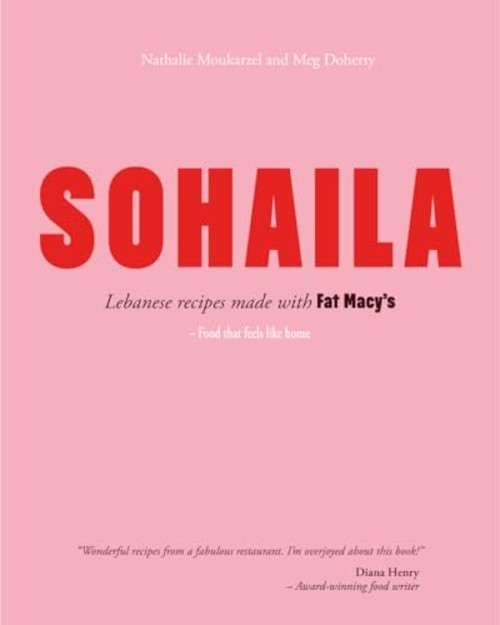
*Sohaila: Lebanese Recipes made with Fat Macy’s by Nathalie Moukarzel & Meg Doherty is published by Synergy Publishing at £30.
FAT MACY’S
Fat Macy’s works with individuals in temporary accommodation who are referred by front-line partners including local authorities and other charities.
After completing a Taster day, trainees receive help in four stages:
- Six weeks training in hospitality and wider employability skills, including a Level 2 Certificate in Food Hygiene & Safety.
- Support into paid work through employer partners and networks.
- Once in employment for three months, financial assistance up to £1,500 to cover rental deposit for long-term accommodation and moving costs.
- A further year of ongoing resettlement support to ensure the participant can sustain their tenancy.
